

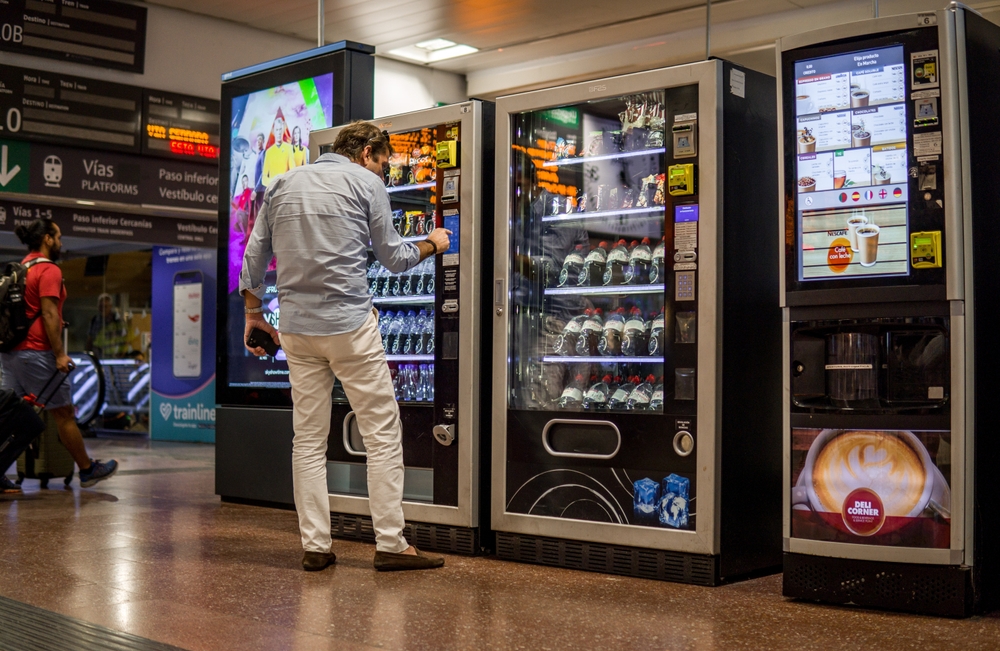
Healthcare environments have different refreshment needs than a typical office, warehouse, or retail workplace. In Paramount and the surrounding southeast Los Angeles County area, clinics, medical offices, outpatient facilities, and other healthcare settings often need convenient food and beverage access without adding unnecessary disruption to patient care or staff routines.
The right vending and refreshment setup should balance convenience, cleanliness, product selection, accessibility, and the facility’s own operational requirements. That means thinking beyond simply placing a vending machine in an available corner. Location, stocking schedules, payment options, product mix, and service access all matter.
Quick answer: Healthcare and clinic vending works best when the refreshment program is designed around the specific facility. Appropriate placement, dependable stocking, clearly packaged products, convenient payment methods, and service schedules that minimize disruption can create a better experience for employees, patients, visitors, and caregivers.
What local healthcare facilities should know
-
Refreshment equipment should be placed where it is convenient without interfering with patient traffic, clinical workflows, entrances, or important pathways.
-
Clinics in Paramount and the wider Gateway Cities area may serve employees, patients, caregivers, delivery personnel, and visitors with very different refreshment needs.
-
Product selection should account for the setting, including demand for water, beverages, snacks, and practical grab-and-go options.
-
Reliable restocking and equipment service can be especially important for facilities with long operating hours or employees working through busy schedules.
-
Each healthcare organization should review its own internal policies and applicable requirements before selecting equipment locations or product offerings.
Why Do Healthcare and Clinic Settings Need a Tailored Vending Program?
Healthcare and clinic settings need tailored vending because their traffic patterns, cleanliness expectations, schedules, and customer needs can be very different from those of other workplaces. A vending program should support the facility rather than create another operational issue for administrators or staff.
Medical offices may have busy morning appointment blocks followed by quieter periods. Outpatient centers can experience a steady flow of patients and caregivers throughout the day. Employees may have limited opportunities to leave the building for snacks, coffee, or drinks.
That makes convenience valuable, particularly in Paramount, where healthcare facilities are part of a busy southeast Los Angeles County employment and service corridor. Nearby communities such as Bellflower, Downey, Compton, Lynwood, and North Long Beach also contribute to the movement of patients and workers throughout the area.
VSI Vending & Coffee Services can help facilities evaluate refreshment options around the practical needs of their location. After determining what fits the space and audience, we can focus on creating a program that is easy for the facility to manage.
What Does Compliance Mean for Healthcare Vending?
Compliance in healthcare vending means making refreshment service fit the facility’s applicable rules, internal policies, sanitation expectations, accessibility needs, and operational procedures. Because requirements can differ by facility type, healthcare administrators should confirm the standards that apply to their specific organization.
A primary care office does not necessarily operate under exactly the same requirements as an ambulatory surgical facility, dialysis clinic, or other licensed healthcare environment. Los Angeles County oversees multiple categories of healthcare facilities, which makes facility-specific planning especially important.
Vending providers and administrators can work together to determine appropriate placement, access for servicing equipment, and how products should be handled within the building.
Facilities should also consider whether refreshments are intended for employees only, patients and visitors, or everyone using the property. That distinction can affect location and product planning.
Where Should Vending Machines Be Placed in a Medical Facility?
Vending machines should be placed in convenient, clearly accessible areas that do not interfere with clinical activities, patient movement, or normal facility operations. Good locations frequently include employee break areas, waiting-area-adjacent spaces, common rooms, or other approved locations with adequate space and electrical access.
Placement decisions should consider:
-
Who will use the machine
-
When the area is busiest
-
Whether restocking can occur without disrupting patient care
-
Available electrical connections
-
Space around doors, corridors, and seating
-
Visibility for staff and visitors
-
The facility’s internal policies
For a busy Paramount clinic, for example, an employee break room may need a different product mix than a machine accessible from a patient waiting area.
The goal is convenience without congestion.
What Products Work Well in Healthcare and Clinic Vending?
Healthcare vending usually benefits from a balanced selection of familiar drinks, snacks, and convenient packaged items that serve different preferences throughout the day. The exact assortment should reflect the people using the machine rather than relying on a one-size-fits-all product list.
Water is an obvious staple, especially during warm Southern California weather. Other beverage choices can provide variety for employees, visitors, and caregivers.
Snack selections can combine familiar favorites with alternative choices based on demand. Because preferences vary widely, sales and usage patterns can help guide future adjustments.
Healthcare settings may also want to consider how easily people can identify what they are purchasing. Factory-sealed products with visible product information allow customers to review labels based on their own dietary needs.
The vending program should not make medical or nutritional decisions on a patient’s behalf. Facilities with specific dietary or clinical requirements should establish their own policies for what is appropriate in patient-accessible areas.
How Can Vending Support Busy Healthcare Employees?
Vending can support healthcare employees by giving them quick access to refreshments without requiring them to leave the facility during a short break or busy shift. That convenience can be particularly useful in workplaces where schedules are unpredictable or employees rotate through breaks at different times.
A clinic near Paramount Boulevard may be surrounded by food options, but leaving the property, ordering, traveling, and returning can still consume a significant part of a short break.
On-site refreshments create another option.
Coffee service may also complement vending in employee-oriented areas. Rather than treating coffee and vending as completely separate conveniences, facilities can consider how employees use a break room throughout the workday and build the setup around those habits.
What Are the Warning Signs That a Clinic’s Current Refreshment Setup Needs Attention?
A clinic’s refreshment program may need attention when employees or visitors regularly encounter empty selections, unreliable equipment, inconvenient placement, or products that no longer match demand. These problems can turn an amenity into a frustration.
Common warning signs include:
-
Frequently empty product selections
-
Equipment that is repeatedly unavailable
-
Limited beverage variety
-
Products that receive little interest
-
Machines positioned far from their intended users
-
Restocking that interferes with busy facility periods
-
A break-room setup that no longer fits current staffing
-
Increased requests from employees for different options
These signs do not necessarily mean the entire program needs replacement. Sometimes adjusting product selection, placement, or service routines can address the problem.
When Should a Healthcare Facility Call a Vending Professional?
A healthcare facility should involve a vending professional when it needs help evaluating equipment, product assortment, placement, stocking, or ongoing service requirements. Facility administrators can identify their internal restrictions and goals, while a vending provider can help determine what type of refreshment setup fits those parameters.
Healthcare managers should first identify who the service is intended to support and where equipment could potentially be located.
From there, professional vending planning can address questions such as machine capacity, beverage demand, payment convenience, restocking access, and whether coffee or additional refreshment service would make sense.
What Common Problems Can Affect Healthcare Vending Programs?
The most common healthcare vending problems are poor placement, mismatched product selection, inconsistent service, and failure to account for the facility’s actual daily routine. Each problem can reduce usage even when the equipment itself is functioning properly.
1. Poor placement: A machine can be technically accessible but still inconvenient. A better approach is to study how staff and visitors actually move through the property.
2. The wrong product mix: Stocking products without considering local demand can leave popular selections empty while others remain untouched. Product adjustments should respond to actual usage.
3. Disruptive service timing: Restocking during peak patient traffic may be inconvenient. Service access should be considered when planning the program.
4. Treating every location alike: A dental office, specialty clinic, medical office building, and outpatient facility may have completely different needs.
How Can Clinics Keep Refreshment Areas Easier to Manage?
Clinics can keep refreshment areas easier to manage by choosing practical locations, maintaining clear space around equipment, monitoring demand, and reporting service issues promptly. A simple, well-planned refreshment area is generally easier to integrate into everyday facility operations.
Staff can periodically check that the area around machines remains unobstructed and that trash or recycling capacity is appropriate for actual use.
Southern California heat can also increase beverage demand during warmer periods, so facilities may want to pay attention to seasonal purchasing patterns rather than assuming usage remains identical throughout the year.
DIY facility checks should focus on basic observations. Equipment problems involving internal components, electrical systems, refrigeration, or payment hardware should be left to the appropriate service provider.
What Results Should a Healthcare Facility Expect From a Better Vending Setup?
A better vending setup should provide more convenient access to refreshments, a product assortment that better reflects demand, and a service arrangement that fits the facility’s normal operations. The goal is not to transform the clinical environment but to make one everyday amenity easier to use and manage.
Results will differ based on the building, number of users, operating schedule, equipment, and product preferences.
For some facilities, success may mean giving employees better break-room choices. For others, it may mean making water and snacks more accessible to people spending significant time in a waiting area.
Common Local Scenario: A Busy Paramount Outpatient Office
A common local scenario is a medical office where employees need fast refreshment access while patients and caregivers spend varying amounts of time on site. In this situation, one machine placed without considering the different audiences may not serve the facility particularly well.
A more thoughtful approach starts with identifying who should have access.
An employee-only area might prioritize products selected around staff preferences and work schedules. A public-facing area may call for a different assortment and placement strategy.
The facility can then consider whether coffee service, beverage vending, snack vending, or a combination makes the most sense.
This is a general scenario, not a description of a specific VSI Vending & Coffee Services customer.
Which Refreshment Services Can Support a Healthcare Facility?
Vending machines and coffee service can support healthcare facilities by making everyday refreshments available close to where employees or approved users spend their time. The appropriate combination depends on building size, staffing, traffic, available space, and facility policy.
We can help evaluate vending and coffee service needs without assuming every medical property requires the same solution.
For a healthcare administrator, the most useful starting point is often a discussion about the facility itself: who uses the space, normal operating hours, preferred equipment locations, and the type of refreshments people actually request.
How Do Full-Service Vending and Self-Managed Refreshments Compare?
Full-service vending can reduce the amount of day-to-day product purchasing and machine management handled by facility staff, while self-managed refreshments provide direct control but require internal time and attention. The better option depends on the facility’s staffing, volume, and expectations.
A clinic managing its own snack supply must typically purchase products, monitor inventory, organize the area, and respond when selections run out.
A professionally serviced vending arrangement shifts many of those routine vending responsibilities away from clinic personnel.
For healthcare teams whose priority is patient care and administrative operations, reducing unnecessary refreshment-management tasks may be especially useful.
What Areas Around Paramount Can Benefit From Healthcare Refreshment Planning?
Healthcare facilities throughout Paramount and the surrounding Gateway Cities can benefit from refreshment planning tailored to their buildings and users. Nearby communities include Bellflower, Downey, Lynwood, Compton, South Gate, and North Long Beach, all within the broader southeast Los Angeles County region.
Service availability for any specific property should be confirmed directly before making plans.
What Can Happen When a Poor Refreshment Setup Is Ignored?
Ignoring an underperforming refreshment setup can lead to continued inconvenience, wasted space, recurring complaints, and an amenity that people simply stop using. For a busy healthcare workplace, even small operational frustrations can become more noticeable when employees already have limited break time.
The answer does not always require more equipment. Better placement, different selections, improved service coordination, or a more suitable combination of vending and coffee options may be enough.
FAQ
Can vending machines be placed in a healthcare clinic in Paramount?
Yes, vending machines can be suitable for many healthcare settings when the facility approves the equipment, location, and operating arrangement. Administrators should consider their own internal policies and any requirements that apply to their facility type before selecting a location. Placement should also account for access, patient flow, and servicing needs.
What types of vending products are suitable for a Paramount medical office?
A balanced selection of bottled beverages, packaged snacks, and other convenient items can work well in a Paramount medical office. The best assortment depends on whether the machine serves employees, visitors, or both. Actual purchasing patterns can then be used to refine selections instead of relying on assumptions about what users want.
Is coffee service useful in a healthcare employee break room?
Yes, coffee service can be a practical addition to an employee break room when staff members want convenient beverages during shifts. It can complement snack and beverage vending by creating a more complete refreshment area. The right setup depends on staffing levels, available space, consumption patterns, and the facility’s preferences.
How should a clinic choose a vending machine location?
A clinic should choose a vending location by balancing convenience with safe, unobstructed facility operations. Administrators should consider electrical access, employee and visitor traffic, servicing access, seating areas, and internal restrictions. In busy Los Angeles County healthcare properties, preventing unnecessary congestion should be part of the placement decision.
Can product selections be adjusted for a healthcare workplace?
Yes, product selections can be planned around the preferences and usage patterns of the people using the vending equipment. A healthcare workplace may want a mixture of familiar snacks, beverages, water, and alternative choices. Facility-specific dietary policies should be communicated separately rather than assumed by the vending provider.
Why is dependable restocking important for Paramount clinics?
Dependable restocking helps keep vending useful for employees and other approved users who may rely on convenient on-site refreshments during busy schedules. Paramount healthcare workplaces can experience demand at different times of day, so product availability and service planning should reflect actual usage rather than a fixed assumption about traffic.
Should patients and employees use the same vending area?
Not necessarily, because patient-accessible and employee-only refreshment areas can serve different purposes. A clinic may decide that one shared location is appropriate, while another facility may prefer separate access. The decision should reflect building layout, patient flow, staff routines, and the organization’s own operational policies.
How often should healthcare vending service be reviewed?
Healthcare facilities should review vending performance whenever demand, staffing, operating hours, or recurring service issues suggest the current setup is no longer working well. Rather than relying only on a fixed schedule, administrators can watch for empty selections, repeated requests, changing employee preferences, or shifts in building traffic.
Create a More Convenient Refreshment Experience for Your Paramount Facility
A healthcare refreshment program should make daily routines easier without getting in the way of the work happening around it. We can help Paramount-area facilities evaluate vending and coffee service options around their space, users, and operational priorities.